Authenticity Guarantee
Alvoure · Independent Designer Retailer
Our Commitment to Genuine Designer Fashion
Alvoure sells genuine designer clothing. As an independent retailer, we know that statement deserves an explanation. Customers should be able to understand how we assess the stock we buy, and what happens if they have reason to question a garment after it arrives.
The store is operated by Genergy Ltd, a company registered in England and Wales. We do not knowingly sell counterfeit or replica merchandise, and we take responsibility for the products offered on our website.
Our authenticity guarantee is given by Alvoure as the seller. It should not be confused with a certificate from a designer brand or an independent authentication service. Where a specific item has separate certification, that information must be stated clearly on its product page.
FROM SOURCE TO STOCK
Authenticity Begins with Careful Sourcing
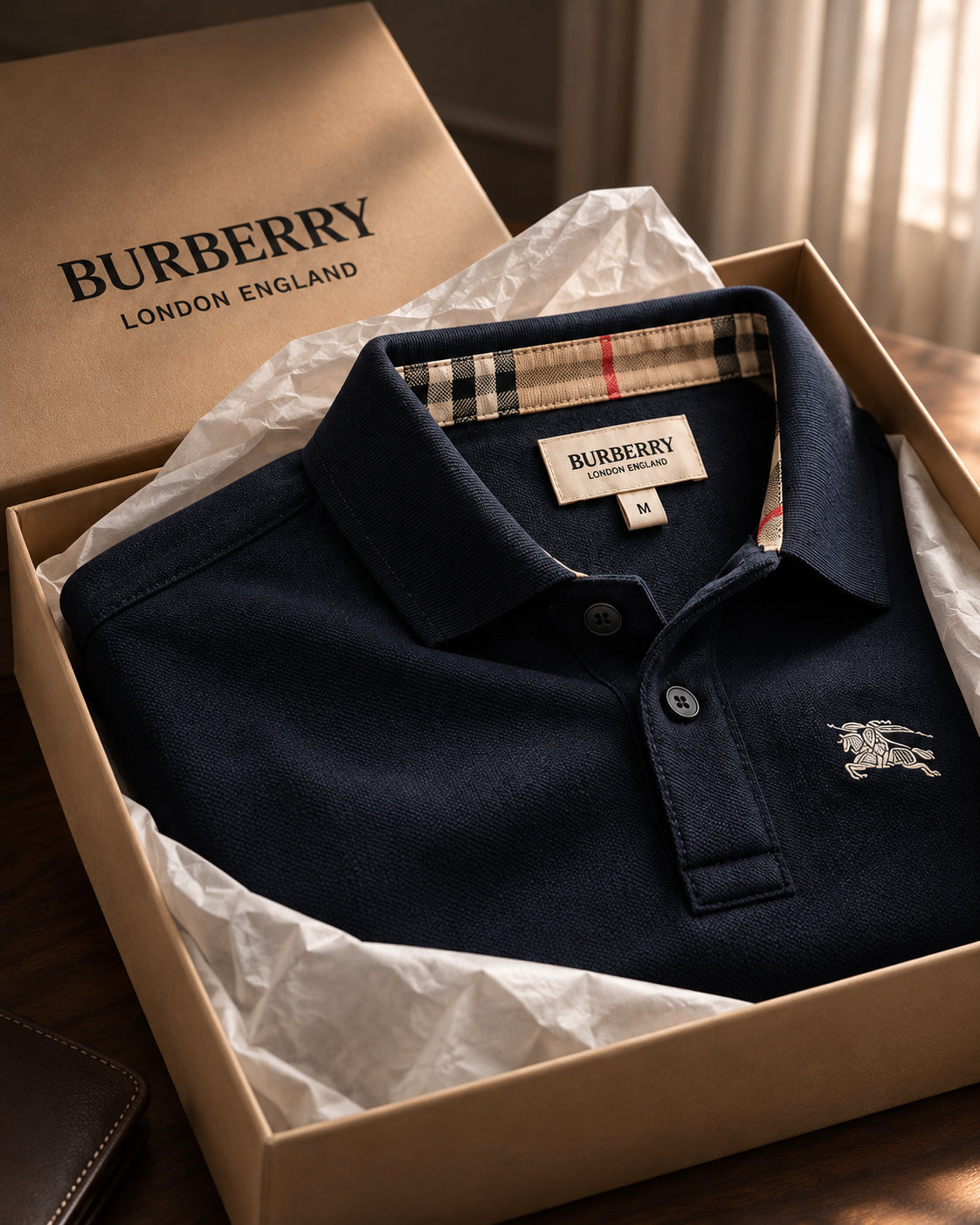
Our review starts before an item reaches the website. We consider the supplier, the commercial records available for the purchase and the garment itself, because designer clothing authentication depends on the full context rather than on a single label or code.
HOW WE ASSESS STOCK
The Alvoure Authenticity Assurance Protocol
Designer clothing authentication begins with the source of the stock. We look at the supplier, the records behind the purchase and the garment itself. Each gives us a different piece of information; none settles the question on its own.
THE EIGHT PRE-SALE AND DISPATCH STEPS
Explore the Verification Process
01. Supplier Identity & Business Verification
Before placing an order with a new supplier, we establish who we are buying from. We examine the business name, registration details where available, trading information and contact details, then compare them with the names appearing on the relevant commercial paperwork.
A trading name may differ from a registered company name for perfectly legitimate reasons. What matters is having an explanation we can check. If the details do not agree, we seek clarification before proceeding.
02. Supply Chain & Product Provenance Assessment
Designer clothing does not always pass directly from a fashion house to the retailer that eventually sells it. Stock can change hands through legitimate commercial channels. We therefore ask suppliers to explain how they obtained the merchandise rather than relying on a general assurance that it is genuine.
We consider that explanation alongside the records available for the proposed purchase. If a document refers to a different business, or an important part of the stock's origin remains unclear, the point needs to be resolved. We do not treat an incomplete account as confirmation of provenance.
03. Confidential Supplier Documentation Review
For a document to be useful, it must relate to the goods being offered. An invoice for other merchandise tells us little about the garments in front of us, however legitimate the invoice may be.
Before approving a purchase, our procedure requires the supplier to make relevant commercial records available for examination. Depending on the transaction, these might be invoices, earlier purchase records or other documents supporting the stated origin of the stock. We examine the connection between the parties named, the merchandise described and the goods we are considering. A commercial invoice helps establish a transaction; it is not a certificate of authenticity issued by the designer.
We respect the fact that these records can contain sensitive business information. The supplier keeps its original documents. We require access to the details needed for the review, not ownership of the paperwork or routine permanent copies. Confidential pricing or unrelated customer information need not be disclosed where they are unnecessary to assess the stock.
If the documentation leaves a significant question unanswered, we request further information. The stock is not approved for purchase until the concern has been addressed.
04. Product References & Brand-Specific Identification
The next question is whether the garment matches the item described. We compare style references, sizes, colours, labels and distinctive features with the available information for that model. A discrepancy might be explained by a variation between collections, but it still needs checking.
Identification systems differ considerably between brands. Some garments carry digital features or reference codes that can be checked through a recognised brand service. Others have no individually verifiable serial number at all. We use brand-specific methods where they are applicable and dependable; we do not treat a code on a label as proof by itself.
05. Physical Product Inspection
Paperwork cannot tell the whole story. When merchandise arrives, we examine the garments for details that should be consistent with the model: fabric, stitching, construction, fastenings, branding, care labels and finishing.
Something unusual may warrant a closer look, particularly when a brand has changed a design detail from one season to the next. Physical inspection helps identify inconsistencies, but appearance alone cannot establish the full history of a garment. It is considered alongside what we know about its source.
06. Additional Verification & Escalation
A mismatch does not automatically mean an item is counterfeit. It does mean we need an answer. We look into the specific issue, check any further references available and, where necessary, ask the supplier for more information.
An item with an unresolved material concern about authenticity is not approved for sale. The decision to offer a garment must rest on the information available about that garment, rather than on a supplier's reassurance alone.
07. Verification Records & Traceability
Sourcing questions sometimes arise long after a purchase. We retain relevant supplier and transaction information, together with records of verification decisions, so that an enquiry can be considered against the stock concerned. Access to confidential supplier information is restricted.
The level of detail depends on the records available for each purchase. This is an internal record of what we have examined, not a claim that every garment has a manufacturer-issued serial number or a complete, independently traceable supply chain.
08. Pre-Dispatch Quality Control
Before dispatch, we check the garment selected against the order, including its style, size and colour. We also look over its visible condition. If something does not match the listing or the customer's order, we address it before sending the parcel.
This final check is concerned with the correct item arriving in the expected condition. It is separate from the sourcing and authenticity assessment carried out earlier.
DETAILS MATTER
Checks Continue Beyond Paperwork
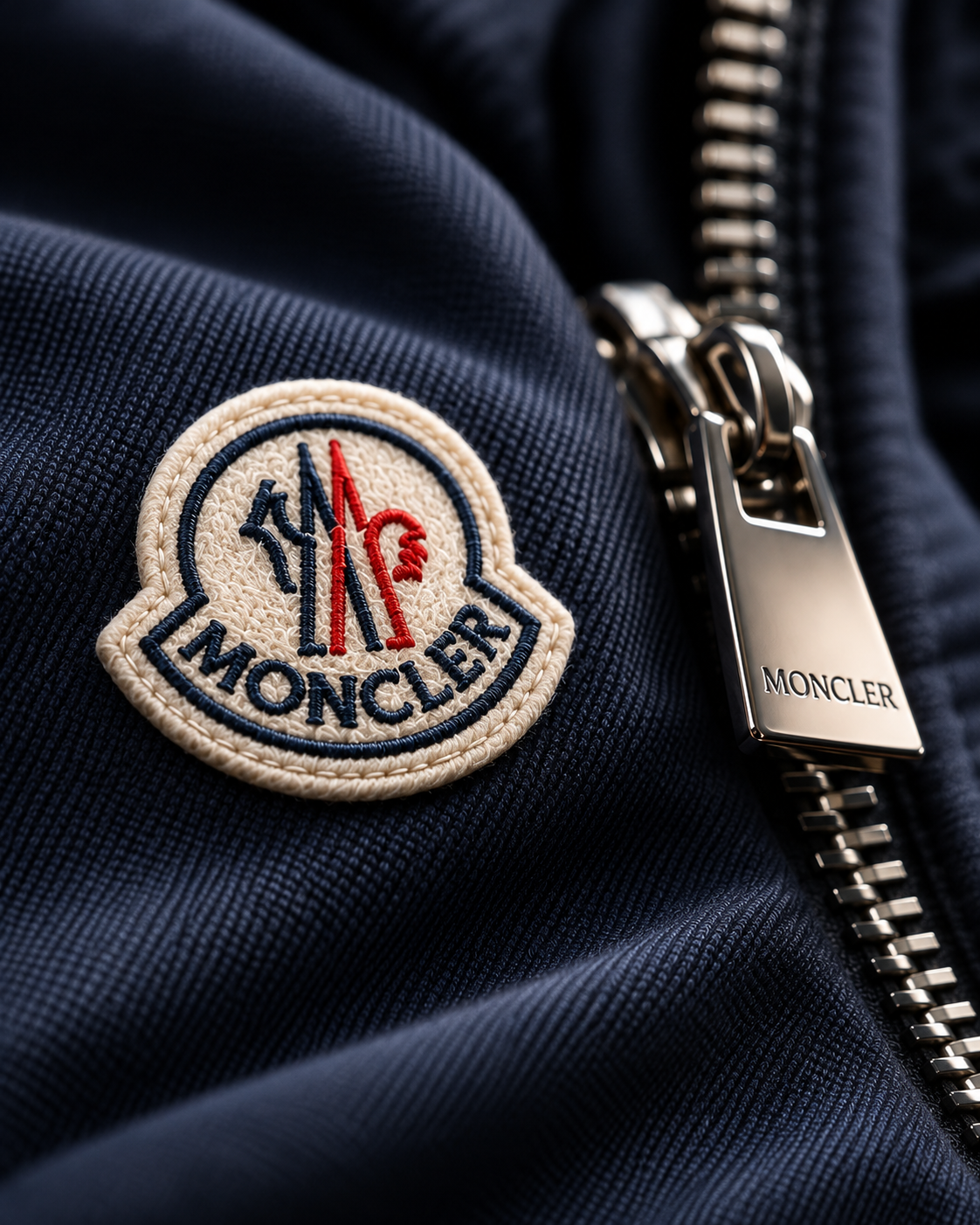
We compare references, labels, construction and finishing, and we look into anything that appears inconsistent. A concern does not automatically mean a garment is not genuine, but it does require an answer before an item is approved for sale.
09 · AFTER YOUR ORDER
Customer Protection & Post-Purchase Concerns
If you notice something about a purchase that you would like us to examine, please tell us. The order number, product name and a photograph of the detail in question are a useful starting point. It might be a label, a product reference or a feature that appears different from the description.
We review the concern against the product details and sourcing information available to us. In some cases, we may ask for further photographs or arrange to examine the garment. We will explain what is needed and how the matter will be handled.
If an item is found not to be as described, we will address the issue in accordance with applicable consumer law. Our Refund & Returns Policy explains the ordinary return arrangements. Nothing in this policy reduces your statutory rights.
Why Designer Prices Can Vary
The price of a designer garment is not always the same from one retailer to another. The age of a collection, availability, purchasing arrangements and each retailer's pricing decisions can all make a difference.
Alvoure buys through independent commercial suppliers. The price we offer reflects the particular stock and terms of purchase; there is no single explanation behind every reduction. Nor can a price tag establish whether a garment is genuine. That question depends on the product and the information supporting its origin.
INDEPENDENT RETAILER
Our Relationship with Designer Brands
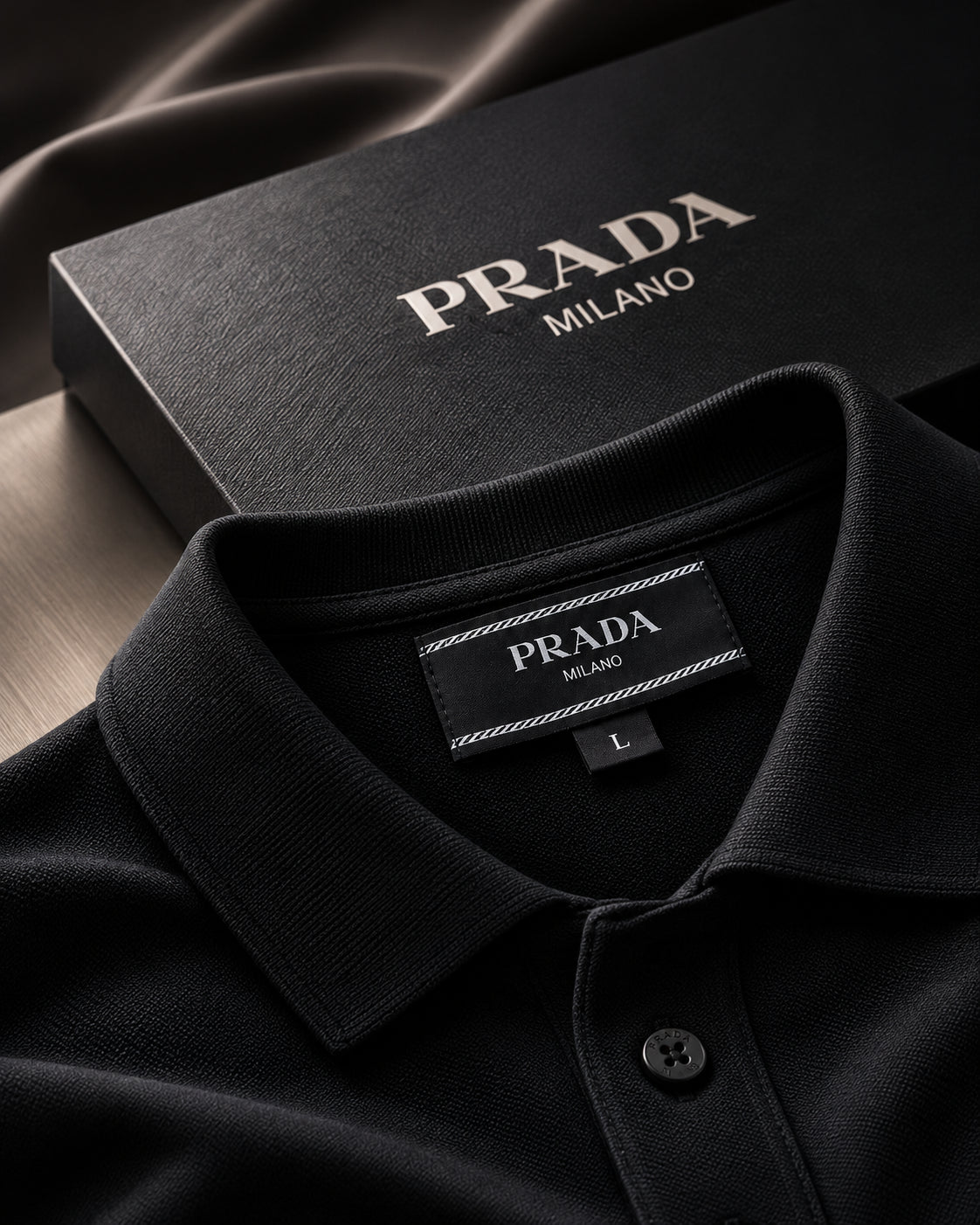
We are an independent retailer. The designer names and trademarks shown on our website identify the merchandise we sell; they do not imply that Alvoure represents the fashion houses or holds an official partnership with them.
Our authenticity guarantee is our own commitment as the seller. If an item has brand-issued certification or a separate authentication service, we will identify it specifically. Such arrangements should not be assumed for other products.
WE ARE HERE TO HELP
Questions About a Product’s Authenticity
You are welcome to ask about a garment before ordering, or contact us if a question arises afterwards. Use our contact page or email support@alvoure.com. For an existing purchase, include your order number and the product name so we can look into the right item.
Our Refund & Returns Policy covers standard returns. Authenticity concerns are considered on their own facts, with the relevant consumer rights taken into account.
Our Responsibility to You
A question about authenticity deserves a proper answer. We will consider the information available for the garment concerned and explain what we can establish, what needs further checking and what happens next.
You can find more information about our business on the About Us page. If there is a particular item you would like to discuss, please contact us.